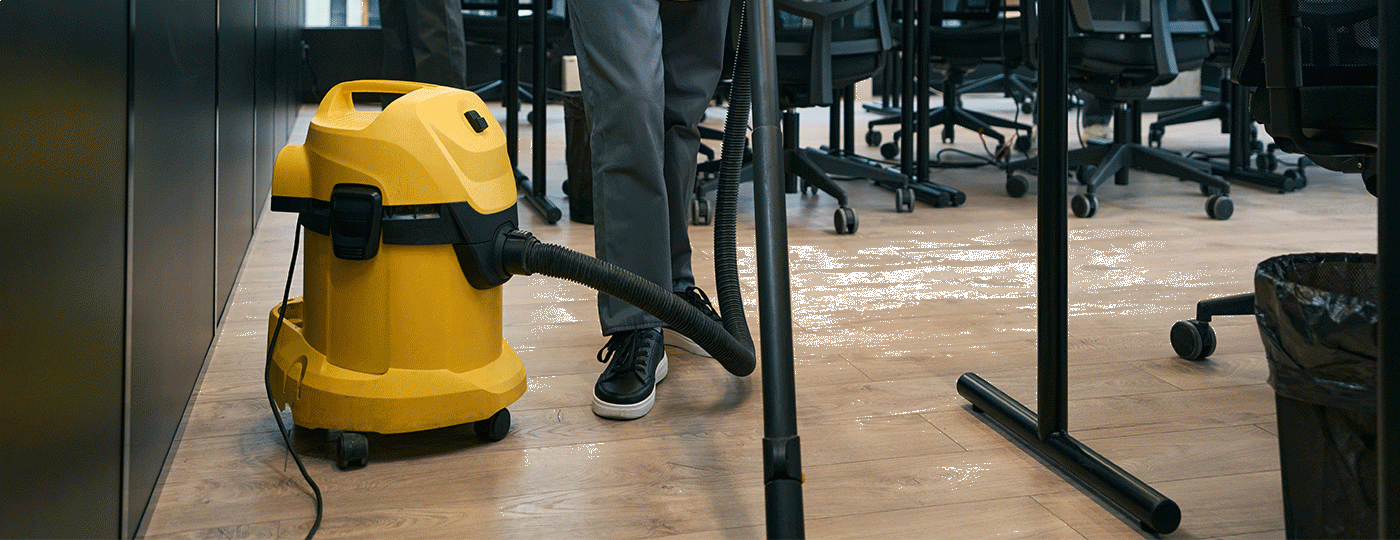
Commercial cleaning in South Wales: What should a professional cleaning service actually cover?
A clean workplace is one of those things people tend to notice most when it is missing.
A dusty reception desk, overflowing bin, marked floor or tired-looking staff kitchen can change the feel of a business very quickly. On the other hand, when cleaning is done properly and consistently, it simply becomes part of how the workplace runs.
That is really what good commercial cleaning should do. It should not create another job for the office manager, receptionist or business owner to chase. It should quietly keep the premises at the standard the business expects.
If you are looking for commercial cleaning in Cardiff or the surrounding area, the useful question is not only "how much does a cleaner cost?" It is also: what should be cleaned, how often, what needs deeper attention and how will you know the standard is being maintained?
"A good commercial clean should be noticeable in the condition of the workplace, not in the amount of time you spend managing it."
What does commercial cleaning actually cover?
Commercial cleaning is cleaning planned around a business environment rather than a home.
The exact task list should depend on the premises, how many people use them, whether customers visit, opening hours, flooring, kitchens and washrooms, and how quickly particular areas get dirty.
At DM Clean, commercial cleaning can range from routine workplace upkeep to more intensive deep cleaning projects. Professional equipment and effective cleaning methods are used to keep business premises clean and ready for everyday use.
Routine commercial cleaning
This is the regular work that stops dirt, dust and waste building up in the first place.
Depending on the premises, a routine clean may include:
- Vacuuming and mopping floors
- Emptying bins and replacing liners
- Cleaning washrooms and toilet areas
- Wiping kitchen and staff-room surfaces
- Dusting accessible surfaces
- Cleaning desks or work areas where agreed
- Wiping doors, handles and other frequently touched points
- Cleaning reception, meeting and communal areas
- Removing visible marks from appropriate surfaces
The important phrase is "where agreed". One business may want desks cleaned every visit. Another may have confidential paperwork or equipment that cleaners should not touch. A proper commercial cleaning plan should make those details clear from the start.
Commercial deep cleaning
Routine cleaning maintains a standard. Deep cleaning deals with the areas that regular visits do not always reach.
That might include built-up dirt around skirting, detailed kitchen cleaning, heavier washroom cleaning, internal glass, edges and corners, behind accessible furniture, or more intensive floor work depending on the surface.
A deep clean can be useful:
- Before starting a new regular cleaning contract
- After a particularly busy period
- Before an important client visit or event
- After office changes or refurbishment
- When a workplace has slowly dropped below the standard you want
- As a planned periodic reset alongside routine cleaning
It is usually much easier to maintain a workplace after a thorough reset than to ask a routine cleaner to gradually work through months of build-up while also completing the normal daily tasks.
Why commercial cleaning matters beyond appearance
First impressions are part of it, but they are not the whole story.
A workplace has several groups using it at the same time: employees, customers, suppliers, contractors and visitors. Each group sees the premises slightly differently.
A customer might notice the entrance and reception first. Staff may care more about the kitchen, toilets and shared areas. A manager may notice whether the bins are being emptied, floors stay presentable and complaints are being avoided.
Professional cleaning helps create consistency across all of those areas.
It also stops cleaning from becoming everybody's job and nobody's responsibility. When there is no clear system, small jobs often get pushed onto reception staff, managers or employees who were hired to do something completely different.
There is also a basic workplace-management point. Health and Safety Executive guidance says employers must provide clean premises, furniture and fittings, remove dirt and waste regularly and keep workplace facilities clean. The required frequency depends on the nature of the business.
A professional cleaning service does not replace a business's health and safety responsibilities, but it can be an important part of meeting the day-to-day cleaning standard the premises require.
The areas businesses most often underestimate
Not every part of a workplace gets dirty at the same speed.
A quiet meeting room may need very little attention compared with a busy entrance on a wet Cardiff morning. A staff kitchen used by twenty people may need more regular cleaning than a large open office floor.
These areas are worth thinking about separately:
Entrances and reception areas
This is where outside dirt, rain and grit arrive first. It is also usually the first part of the premises seen by customers or visitors.
Floor condition, glass, doors, reception surfaces and visible bins can make a bigger difference here than cleaning an area nobody sees.
Washrooms
Washrooms need consistent attention because the standard can change quickly during the working day.
The cleaning plan should be clear about toilets, basins, mirrors, floors, touchpoints and waste. In busier premises, the frequency may need to be higher than the rest of the building.
Kitchens and staff rooms
Shared kitchens have a habit of becoming nobody's responsibility.
Worktops, sinks, cupboard fronts, appliance exteriors, tables, floors and bins all need a clear routine. The cleaner also needs to know where the boundary sits between cleaning and dealing with employees' dishes, food or personal items.
Floors and high-traffic routes
Different floors need different care, and entrances, corridors and walkways usually show dirt before quieter areas do.
Cleaning frequency may need to change with the weather, footfall and type of business rather than staying identical all year.
Shared touchpoints
Door handles, push plates, switches and frequently used shared surfaces are easy to miss because they are small.
They do not need dramatic claims about "eliminating all germs". They simply need to be part of an agreed and sensible cleaning routine.
Desks, meeting rooms and shared workspaces
This is where communication matters.
Cleaners should know whether desks can be wiped, whether monitors or equipment are excluded, what should happen with paperwork and which rooms need to be ready for customers each morning.
How often should a commercial property be cleaned?
There is no useful one-size-fits-all answer.
Two offices of the same size can need completely different cleaning schedules. One might have eight staff and very few visitors. The other might have forty people, client meetings all day and a kitchen that is constantly being used.
The right frequency depends on:
- Number of employees and visitors
- Opening hours
- Customer footfall
- Number of toilets and kitchen facilities
- Type of flooring
- Whether food is prepared or eaten on site
- How quickly bins fill
- Whether the premises are customer-facing
- The standard the business wants to maintain
- Any sector-specific hygiene requirements
Some businesses need cleaning every working day. Others may be well served by several visits a week. A smaller or quieter office may need less frequent routine cleaning with occasional deeper work.
The aim is not to book as many hours as possible. It is to find a schedule that keeps the premises consistently clean without paying for unnecessary visits.
Daily, weekly and periodic tasks should not all be treated the same
One reason cleaning contracts can disappoint is that everything gets put onto one vague list called "clean the office".
It is better to separate tasks by how often they realistically need attention.
Daily or frequent tasks may include:
- Bins
- Washrooms
- Kitchen surfaces
- High-traffic floors
- Reception areas
- Visible touchpoints
Weekly or less frequent tasks may include:
- Detailed dusting
- Lower-traffic areas
- Skirting and ledges
- Internal glass where required
- More detailed desk or meeting-room cleaning
Periodic tasks may include:
- Deep cleaning
- More intensive floor care
- Detailed kitchen cleaning
- Cleaning after refurbishment or office changes
- Seasonal or pre-event cleaning
This makes expectations much clearer for both the business and the cleaning team.
Routine cleaning and deep cleaning solve different problems
A common mistake is to expect a short routine visit to fix everything.
If a workplace already has heavy build-up, a cleaner may spend the whole visit trying to catch up and still not reach the normal maintenance tasks.
In that situation, a deep clean first can make much more sense. It creates a cleaner starting point. Regular cleaning can then maintain that standard rather than constantly fighting the backlog.
The same applies after refurbishment or decorating. Fine dust and building residue are different from normal office dirt. If works have recently finished, tell the cleaning company before booking. The job may need to be planned as a deeper or post-work clean rather than a standard commercial visit.
Your employees are not the cleaning plan
There is nothing wrong with asking staff to put mugs in a dishwasher, clear their desks or leave shared areas tidy.
There is a difference, though, between everyday courtesy and relying on employees to maintain the premises.
When there is no proper cleaning arrangement, the jobs tend to fall to the same few people. Someone empties the bin because it is full. Someone wipes the kitchen because a customer is visiting. Someone else cleans the meeting room because nobody knows when it was last done.
That approach is inconsistent and it uses paid staff time on work that has nothing to do with their actual role.
A commercial cleaning service gives the business a defined standard, schedule and responsibility.
Cleaning is part of the customer experience too
If customers, clients, suppliers or business partners visit your premises, cleaning becomes part of how they experience the company.
They may never say "the skirting boards were clean". That is not the point.
They notice whether the place feels organised, cared for and ready for them.
Reception areas, washrooms, meeting rooms and floors carry a lot of that impression. A neglected toilet or dirty entrance can undermine a polished website, smart signage and good customer service surprisingly quickly.
The physical workplace is part of the brand, even when cleaning is not the service you sell.
What should a business tell a cleaning company before asking for a quote?
A useful quote needs more than the square footage.
Before contacting a commercial cleaner in Cardiff, it helps to have a basic picture of how the premises actually operate.
Think about:
- Size and layout of the premises
- Number of floors
- Approximate number of staff
- Typical daily visitor numbers
- Number of toilets and washrooms
- Kitchen or staff-room facilities
- Floor types
- Current condition of the property
- Preferred cleaning days and times
- Areas that should not be touched
- Alarm, access or key arrangements
- Any particularly busy or customer-facing zones
- Whether you need a one-off deep clean before regular visits begin
- Any specialist or sector-specific requirements
Being open about the condition matters too. A workplace that has not been professionally cleaned for months is a different job from a well-maintained office changing supplier.
The more accurate the information at the start, the easier it is to agree realistic hours, priorities and expectations.
Access, keys and alarms need a plan
Commercial cleaning often happens when the business is quiet or closed, so access is part of the service, not an afterthought.
Before the first clean, both sides should know:
- Who opens and locks the premises
- Whether cleaners will hold keys
- How alarms are activated and deactivated
- Which doors or areas are restricted
- What happens if staff are still working
- Who should be contacted if there is an access problem
- Where cleaning equipment or supplies can be stored, if applicable
This is not the glamorous part of commercial cleaning, but getting it right makes regular visits much smoother.
How do you know if your commercial cleaning is working?
You should not have to wait until someone complains.
After the first few visits, look at the areas that matter most to your business. Are washrooms staying at the expected standard? Are bins being managed? Are floors presentable? Is the reception ready for customers? Are the same small areas being missed each time?
A good cleaning arrangement should be easy to review.
It also helps to report issues specifically. "The cleaning wasn't good" is difficult to act on. "The meeting-room table was missed and the kitchen floor still had marks near the sink" gives the cleaning team something clear to fix.
DM Clean's website explains that supervisors check cleaning work to help maintain standards. For a commercial client, that kind of oversight matters because consistency is usually more important than one impressive first clean.
Choosing a commercial cleaning company in Cardiff
Price matters, but comparing cleaners only on hourly cost can hide the bigger differences.
Before choosing a provider, ask:
- What is included in the regular clean?
- What is excluded or charged separately?
- How will the cleaning schedule be agreed?
- Can the service change if the business gets busier?
- Who should you contact if something is missed?
- How are access, keys and alarms handled?
- Is the company insured?
- Can deeper cleaning be arranged when needed?
- How is quality checked over time?
-
The best arrangement is one where both sides know what "clean" actually means for that particular workplace.
Commercial cleaning in Cardiff and surrounding areas
DM Clean provides commercial cleaning for business environments, from regular workplace upkeep to more intensive deep cleaning projects.
The aim is straightforward: agree what your premises need, build the cleaning around how the business operates and keep the standard consistent.
If you are looking for commercial cleaning in Cardiff or the surrounding area, tell us about your premises, how they are used and what you would like the cleaning team to take care of.
https://www.dmclean.co.uk/contact-us
Message us on WhatsApp https://wa.me/447547011683
Email infodmclean@gmail.com
Whether you need regular office cleaning, a deeper one-off clean or help getting a workplace back to the standard you want, DM Clean can discuss the job and recommend a practical cleaning plan.